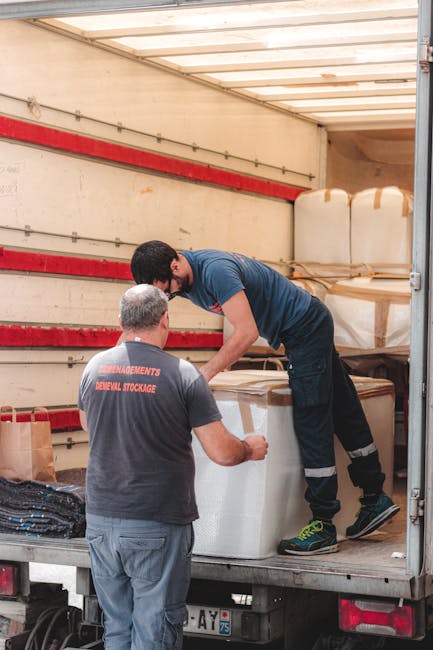
Richmond Hill removals experts TW9 local moves: a practical guide to moving well in SW London
If you are planning a move in or around Richmond Hill, you already know it is rarely just about carrying boxes from A to B. Narrow streets, parking pressure, flats with awkward stairs, last-minute changes, and the general chaos of moving day can turn a simple job into a long one. That is where Richmond Hill removals experts TW9 local moves come into their own. With the right local knowledge, the right vehicle, and a sensible plan, the whole experience feels calmer, quicker, and much less fraught.
This guide explains what local removal support in TW9 actually involves, how the process works, who it suits, and what to look for before you book. It also covers common mistakes, compliance points, comparison options, and a realistic checklist you can use straight away. If you want a move that feels organised rather than improvised, you are in the right place.
Why Richmond Hill removals experts TW9 local moves matters
Local moves in Richmond Hill are a different beast from a long-distance relocation. The distances may be short, but the practical demands can be surprisingly high. If you have ever tried to manoeuvre a sofa past a tight hallway while worrying about a bay window, a parked car outside, or a shared stairwell, you will know exactly what I mean.
Richmond Hill removals experts TW9 local moves matter because local expertise saves time, reduces risk, and helps you avoid the kind of small problems that become big ones on moving day. A mover who understands the rhythm of the area is better equipped to plan around access issues, loading restrictions, apartment layouts, and the general ebb and flow of a busy London neighbourhood.
There is also the human side. Moving is tiring. It is often emotional too. You are changing routines, handling possessions that matter, and trying to stay on top of a dozen details at once. Having a local removals team that understands the area means you are not explaining every little thing from scratch. That alone can take the edge off.
Practical takeaway: local removals are not just about geography. They are about familiarity, timing, access, and making the job feel controlled rather than rushed.
How Richmond Hill removals experts TW9 local moves works
In practice, local removal support follows a fairly straightforward pattern, but the best services keep each stage flexible enough to fit your property, your schedule, and your belongings.
1. Initial enquiry and move details
You share the basics: where you are moving from, where you are going, what needs moving, and whether there are items that need extra care. This is the stage where you should be honest. Mention the awkward wardrobe, the antique mirror, the second-floor flat, the basement storage unit, the piano, or the fact that the lift is temperamental. It all matters.
2. Quote and service planning
From there, you should receive a quote or estimate based on the size of the job, access, travel time, and any extras such as packing help or furniture dismantling. If you want to compare options properly, take a look at pricing and quotes before you decide what level of support you need.
3. Pre-move preparation
This is where the real difference is made. Good preparation means labelling, boxing room by room, protecting fragile items, and making sure the route out of the property is as clear as possible. If you would rather not spend your evening taping boxes and hunting for markers, packing and boxes support can be a genuine relief.
4. Moving day loading and transport
On the day itself, the team loads items carefully, secures them in the vehicle, and transports them using the most sensible route for the property and time of day. For smaller local jobs, a man and van style service can be ideal. For larger or more complex house moves, a bigger setup may make more sense.
5. Delivery, placement, and optional unpacking
Once at the destination, furniture is taken into the correct rooms, and heavier pieces are placed where you want them. Some moves also include unpacking support, which is often more useful than people expect. The first few hours in a new place can feel like a blur; having help at that stage can make the day far less chaotic.
To be fair, the difference between a smooth move and a messy one is often not the truck. It is the sequence.
Key benefits and practical advantages
There are several reasons local residents and businesses prefer a specialist removals service for TW9 moves, even for short journeys.
- Better local route knowledge: a local team is more likely to understand which roads are awkward at certain times and how to plan around access.
- Less wasted time: fewer surprises means less standing around while everyone figures out where to park or how to get a bulky item through the door.
- Reduced handling risk: careful loading and the right lifting methods can help protect both your items and the property.
- More suitable vehicle choice: some local jobs need a smaller van, while others are better served by a larger vehicle. Picking the wrong one can be a false economy.
- Lower stress: once you know the move is properly arranged, it is easier to focus on what you need to do next.
- Flexible support: from full removals to smaller furniture pick-up jobs, the service can be matched to the task rather than overdone.
That last point is underrated. Not every move needs a huge production. Sometimes you just need a careful pair of hands, a sensible van, and a bit of local know-how. Simple, really.
If you are moving from a flat, it may be worth exploring flat removals so the service matches the realities of stairs, shared entrances, and building access.
Who this is for and when it makes sense
Richmond Hill removals experts TW9 local moves are not only for large family homes. In fact, some of the best-fit customers are people moving modest distances with very specific constraints.
It makes sense for:
- people moving between flats or apartments in TW9
- homeowners relocating within Richmond or nearby areas
- students moving belongings between term-time addresses and storage
- small offices shifting equipment or files
- households needing a same-day or short-notice move
- people moving a few key items rather than an entire property
For example, if you are clearing out one room, moving a bed, and taking a few boxes to a new address a few streets away, a bigger removal company might be more than you need. In that situation, a removal van arrangement can be practical and cost-aware.
On the other hand, if you are moving the whole contents of a house, or need careful handling for awkward furniture, you may want a more comprehensive approach. It depends on the volume, not just the postcode.
Truth be told, a lot of moving problems come from choosing a service that is either too small for the job or too large for the budget. That mismatch is where frustration begins.
Step-by-step guidance
Here is a sensible way to organise a local move in Richmond Hill without letting it take over your week.
- Walk through your home or office first. Decide what is moving, what is being sold, and what can be stored or recycled.
- Measure the awkward pieces. Doorways, stair turns, lifts, and hallways can change the plan fast. A sofa that looks fine in the lounge may become a very different animal on the stairs.
- Book the right level of service. Compare a simple van job, a full removals service, or extra packing help depending on how much support you want.
- Pack with purpose. Heavy items in smaller boxes. Fragile items well cushioned. One room at a time is usually the least painful method.
- Check access and parking. If there is limited space outside, mention it early. The team may need to plan for a different stop point or arrival time.
- Prepare the essentials box. Kettle, chargers, toiletries, snacks, tape, bin bags, documents, and a change of clothes. You will thank yourself later.
- Keep key items visible. Medications, keys, passports, and valuables should stay with you, not disappear into a stack of brown boxes.
- Do a final sweep. Check cupboards, loft spaces, behind doors, and under sinks. Moving day has a way of hiding things in plain sight.
If you need help with more than just lifting, consider packing and unpacking services so the whole process feels more manageable from start to finish.
Expert tips for better results
A few small choices can make a surprisingly big difference on moving day.
- Book earlier than you think you need to. Local moves can still be busy, especially at peak times like month-end and weekends.
- Use consistent labelling. Write the room and a short contents note on every box. It sounds basic, but it saves so much time.
- Don't overfill boxes. If the box looks like it might split when lifted, it probably will.
- Protect floors and corners. Old timber floors, painted walls, and tight stairwells can be vulnerable. A little care goes a long way.
- Separate essentials from storage items. You do not want to open six boxes just to find the chargers.
- Ask about insurance and safety. Not in a suspicious way, just sensibly. You want to know how items are handled and what protection is in place.
If you are moving something especially delicate, such as a keyboard or upright instrument, explore piano removals rather than treating it like ordinary furniture. Heavy and fragile is a tricky mix.
Expert summary: The best local move is usually not the fastest one on paper; it is the one that avoids preventable mistakes, protects your belongings, and leaves you with enough energy to actually settle in.
Common mistakes to avoid
A lot of local moving stress is self-inflicted, annoyingly enough. The good news is that most issues are avoidable once you know what to watch for.
- Underestimating the volume of items. People often forget the contents of cupboards, utility spaces, sheds, and lofts.
- Choosing on price alone. The cheapest option is not always the cheapest once delays, damage, or extra trips are factored in.
- Ignoring access problems. If the property has stairs, narrow landings, or restricted parking, that should be factored in from the start.
- Packing too late. The night-before packing scramble is famous for a reason, and not a good one.
- Not separating essential items. The first box you need is always the one packed at the bottom, unless you plan for it.
- Forgetting to check service scope. Some services cover loading and transport only; others include unpacking, dismantling, or disposal support.
One small but very real mistake: assuming "local" means "easy." It often doesn't. A three-mile move can still involve two flights of stairs, parking restrictions, and a rain shower at 8:30 in the morning. Lovely.
Tools, resources and recommendations
You do not need a box full of specialist kit to move well, but a few simple tools make life easier.
- Strong tape and markers: essential for sealing and labelling.
- Bubble wrap or paper wrap: for glassware, frames, and breakables.
- Furniture blankets and covers: useful for protecting larger items during transit.
- Basic toolkit: screwdrivers, Allen keys, and a small hammer for disassembly and reassembly.
- File or envelope for documents: contracts, keys, meter readings, and move-day notes all in one place.
- Online quote request: if you want to compare options quickly, use pricing and quotes to work out what level of service fits your move.
It also helps to think about what happens after the move. If your new place is smaller, or you are not ready to unpack everything, a short-term storage option can buy you breathing room. That is often a very sensible choice, especially during a rushed transition.
For larger household moves, you may also want to review home moves and house removals so you can match the service to the scale of the job.
Law, compliance, standards, and best practice
Any removals provider working in London should operate with proper attention to safety, handling, and customer protection. You do not need a legal lecture before moving day, but it is sensible to understand the basics.
Good practice typically includes clear communication about what is being moved, careful lifting and loading methods, appropriate vehicle securing, and sensible planning for access and parking. If a provider is transparent about its insurance and safety approach, that is usually a reassuring sign.
You may also want to review the company's public policies where relevant. For example, a published health and safety policy can show how the business thinks about risk, while terms and conditions should clarify responsibilities, booking expectations, and limitations.
For larger or business-related moves, check whether the provider offers dedicated office removals or broader commercial moves support. Office relocations need extra care because downtime, file handling, and equipment security all matter.
And yes, if you are unsure about any of the details, ask. A reputable mover should welcome sensible questions rather than brush them off.
Options, methods, and comparison table
Different local moves call for different approaches. Here is a simple comparison to help you decide what feels realistic.
| Option | Best for | Typical strengths | Possible drawbacks |
|---|---|---|---|
| Man and van | Small to medium local moves, single rooms, a few bulky items | Flexible, efficient, often well suited to TW9 local jobs | May be less suitable for larger house loads |
| Full removals service | Whole-house moves, multi-room flats, more complicated logistics | More support, better for high-volume moves | Usually more expensive than a simple vehicle-only option |
| Packing support included | Busy households, time-poor movers, fragile items | Reduces stress and packing mistakes | Needs a bit more coordination in advance |
| Short-term storage | Staggered moves, downsizing, renovation gaps | Buys time and creates flexibility | Extra planning and possible additional cost |
If your move is very last-minute, same-day removals may be the most practical route, provided the volume and access conditions are realistic. It is not magic, but it can save the day when time has run away from you.
Case study or real-world example
Here is a realistic local scenario. A couple living in a second-floor flat in Richmond Hill needed to move into a nearby terraced property not far away. At first glance it looked simple: same area, short distance, mostly standard furniture. Then the details started to stack up. A wardrobe needed dismantling, the stairwell in the old flat was tight, and the new property had limited space for unloading.
Instead of trying to handle everything in one rushed push, the move was broken into clear stages. Fragile items were boxed early. The larger items were measured and prepared in advance. The van was chosen for the actual load rather than a guess. On the day, the team focused on protecting walls, loading logically, and placing items in the right rooms straight away.
The result was not glamorous. It was just calm. No frantic back-and-forth, no surprise scramble for extra boxes, no pile of furniture in the hallway while everyone argued about what goes where. And frankly, that is what a good local move should feel like.
That same principle applies to small business moves too. A nearby office relocation is often less about distance and more about keeping disruption low. If that sounds familiar, have a look at office relocation services and office removals to understand how structured planning helps.
Practical checklist
Use this checklist to keep your move on track. It is simple, but it works.
- Confirm move date, arrival window, and access arrangements
- Measure large furniture and check doorways, lifts, and stairs
- Choose the right service level for the size of the move
- Gather boxes, tape, labels, and wrapping materials
- Pack room by room and mark fragile items clearly
- Set aside essentials you need on day one
- Keep important documents and valuables with you
- Tell the mover about parking, access, and any restrictions
- Check insurance and safety information before booking
- Do a final walk-through of every room, cupboard, and storage space
If you are moving belongings in stages, or just need a few items collected, furniture removals and furniture pick-up can be a smart way to keep the move simple. Not everything needs a full-scale operation.
One-line reminder: label now, breathe later.
Conclusion
Richmond Hill removals experts TW9 local moves are about more than transporting items around SW London. They are about local understanding, careful planning, and choosing the right level of support for the job in front of you. Whether you are shifting out of a flat, moving a full household, relocating a small office, or just need a few heavy items handled properly, the best outcome always comes from matching the service to the situation.
Take your time with the details, ask sensible questions, and do not let a local move become a stressful guessing game. A little preparation really does go a long way. And once the last box is in place, there is nothing quite like that first quiet moment in the new space, kettle on, windows open, everything finally landing where it should.
Get a free quote today and see how much you can save.
Frequently Asked Questions
What do Richmond Hill removals experts TW9 local moves usually include?
They typically include loading, transport, and unloading, with optional extras such as packing help, dismantling, or short-term storage depending on the provider and the size of the job.
Is a man and van service enough for a local move in TW9?
Often, yes. If you are moving a smaller flat, a few rooms, or several bulky items within the area, a man and van option can be a practical fit.
How far in advance should I book a removals service?
As early as you can, especially for weekends or month-end dates. For last-minute situations, some providers may still offer flexible help, including same-day removals, but availability can change quickly.
What if I am moving from a flat with narrow stairs?
Say so upfront. Narrow stairs, awkward corners, and small landings affect the vehicle choice, handling time, and the number of people needed. It is better to mention it early than to discover it on the day.
Can removals experts help with packing too?
Yes, many can. If you want less hassle, packing and unpacking services can reduce the pressure and help protect fragile items.
What should I do with furniture I do not want to take?
You can arrange disposal, reuse, or collection depending on the item and your plans. If it is still usable, furniture removals or furniture pick-up may be useful options.
How do I compare quotes properly?
Look beyond the headline price. Check what is included, whether travel time is covered, if packing materials are extra, and whether access issues have been factored in. A slightly higher quote can sometimes be better value.
Do I need storage during a local move?
Not always, but it is helpful if there is a gap between moving out and moving in, or if you are downsizing. Short-term storage can keep the process flexible.
Are office moves handled differently from home moves?
Yes. Office moves need planning around downtime, equipment, documents, and sometimes IT or desk layouts. If that is your situation, office relocation services are usually more suitable than a general household move.
What makes a local Richmond Hill move go smoothly?
Clear access details, good packing, the right vehicle size, and realistic timing. Honestly, those four things solve a lot of problems before they start.
Is insurance important for a removals job?
Yes. You want to know how belongings are handled and what protection is in place before anything is loaded. Reviewing insurance and safety information is a sensible part of choosing a mover.
Can I move just one or two bulky items?
Absolutely. Many local services are flexible enough for single-item or small-load moves. If you only need a sofa, table, or similar item shifted, furniture removals may be all you need.
What should I ask before confirming a booking?
Ask about access, estimated duration, what is included, how fragile items are handled, and whether the team can help with unpacking or dismantling if required. If anything sounds vague, ask again. Clear answers are a good sign.